Pressure Cleaning Services: A Comprehensive Guide
Pressure cleaning is a process of using high-pressure water to remove dirt, grime, and other contaminants from surfaces. It is a versatile and effective cleaning method that can be used to clean a wide range of surfaces, including concrete, wood, brick, and metal.
Benefits of pressure cleaning
There are many benefits to pressure cleaning, including:
- Improved appearance: Pressure cleaning can remove dirt, grime, and other contaminants, leaving surfaces looking clean and new.
- Increased durability: Pressure cleaning can remove harmful contaminants that can damage surfaces over time.
- Improved health and safety: Pressure cleaning can remove mold, mildew, and other allergens, improving indoor and outdoor air quality.
- Reduced maintenance: Pressure cleaning can help to extend the lifespan of surfaces, reducing the need for maintenance and repairs.
Applications of pressure cleaning
Pressure cleaning can be used to clean a wide range of surfaces, including:
- Driveways and walkways: Pressure cleaning can remove dirt, grime, and oil stains from driveways and walkways, leaving them looking clean and new.
- Patios and decks: Pressure cleaning can remove dirt, grime, and algae from patios and decks, making them a safe and enjoyable place to relax and entertain.
- Fences and siding: Pressure cleaning can remove dirt, grime, and mildew from fences and siding, restoring their original appearance and protecting them from damage.
- Rooftops: Pressure cleaning can remove dirt, grime, and moss from rooftops, improving the appearance of the home and preventing water damage.
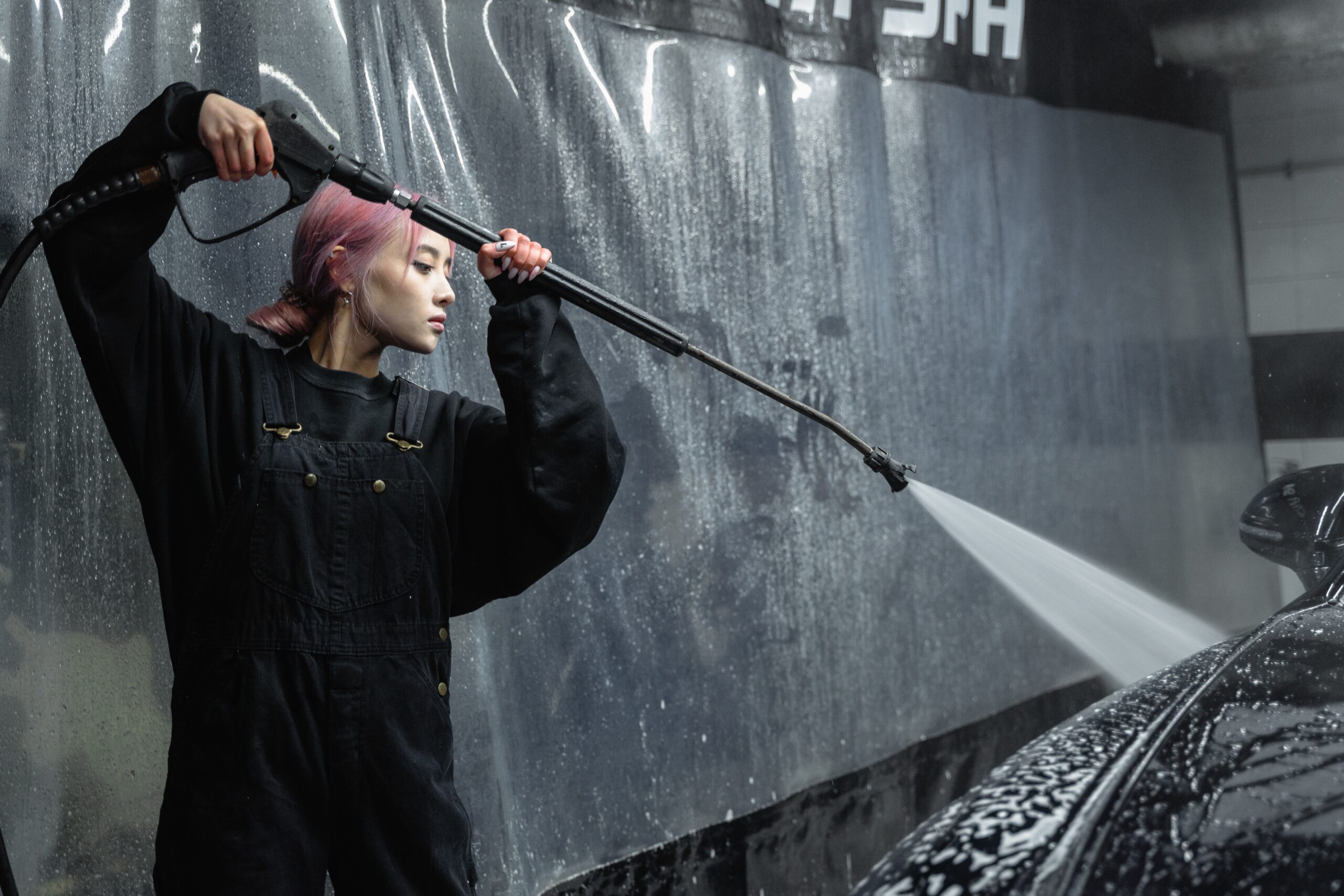
- Other surfaces: Pressure cleaning can also be used to clean a variety of other surfaces, such as boats, cars, and equipment.
Conclusion
Pressure cleaning is a versatile and effective cleaning method that can be used to clean a wide range of surfaces. If you are looking to improve the appearance and durability of your home or business, I recommend hiring a professional pressure cleaning service.